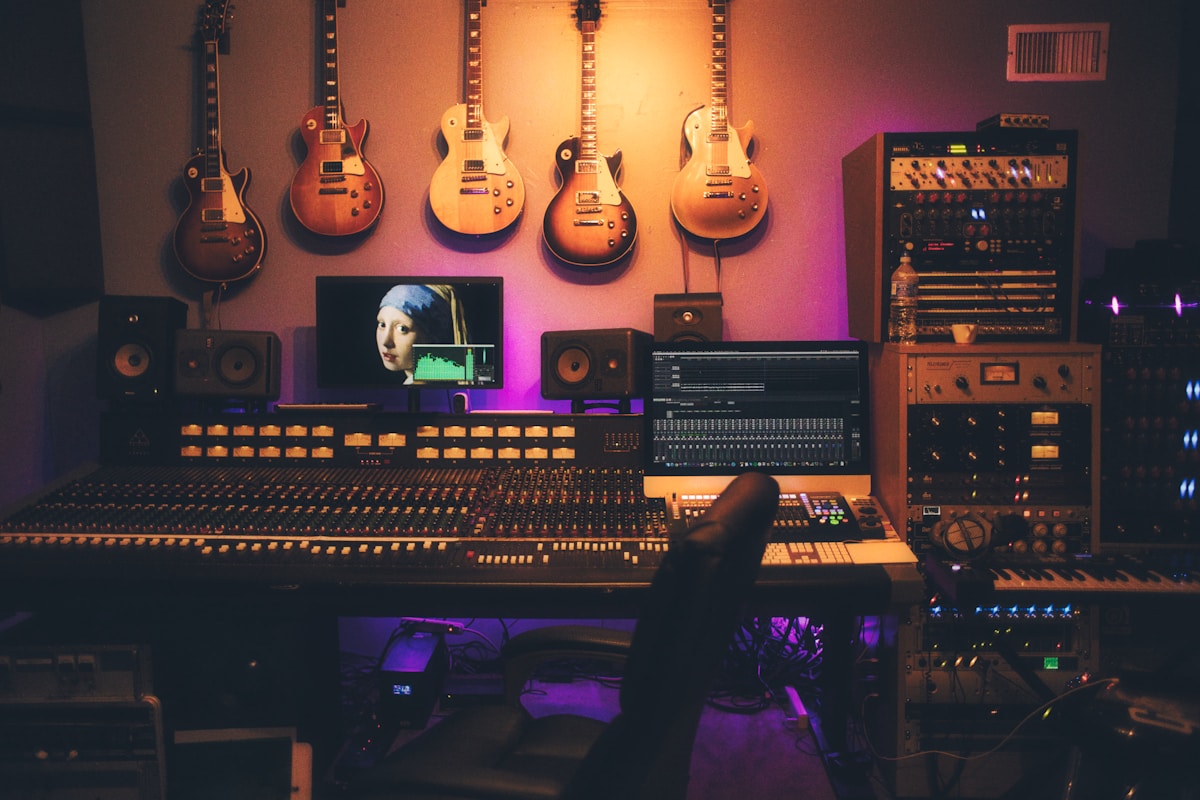

Mixing and mastering are where good recordings become great tracks. While these processes can take years to master, understanding the basics will immediately improve your productions.
The Mixing Fundamentals
Mixing is about balance. Start with proper gain staging - ensure no tracks are clipping and leave headroom for mastering. Use EQ to carve out space for each element, compression to control dynamics, and reverb/delay to create depth and space.
The Frequency Spectrum
Think of the frequency spectrum as real estate. Each instrument needs its own space. Use EQ to remove frequencies that aren't essential to an instrument's character, making room for other elements. This prevents the muddy sound that plagues many amateur mixes.
Reference Tracks
Always mix with reference tracks - professionally mixed songs in your genre. A/B comparison helps you identify if your mix is too bright, too bass-heavy, or lacking in any frequency range. This is one of the fastest ways to improve your mixing skills.
Mastering Essentials
Mastering is the final polish. It involves subtle EQ adjustments, multi-band compression, limiting, and ensuring your track translates well across different playback systems. The goal is to enhance what's already there, not fix major mixing problems.
When to Stop
Knowing when your mix is finished is an art in itself. Take breaks, listen on different systems, and trust your instincts. Over-mixing can actually make things worse.